

The work of a cultural attaché is not only attractive but also full of challenges. Many dream of practicing this profession; however, it is particularly demanding. Training at a school like IESA is necessary. Here is what you need to know to become a cultural attaché:
What does the job of cultural attaché involve?
A cultural attaché is the person primarily responsible for the dissemination and promotion of culture and its language abroad. It is an exciting profession at the crossroads of culture, art and international cooperation. The cultural attaché travels the world to carry out their actions. Over the course of their career, this professional will oversee several cultural sectors within embassies, following the instructions of their department head.
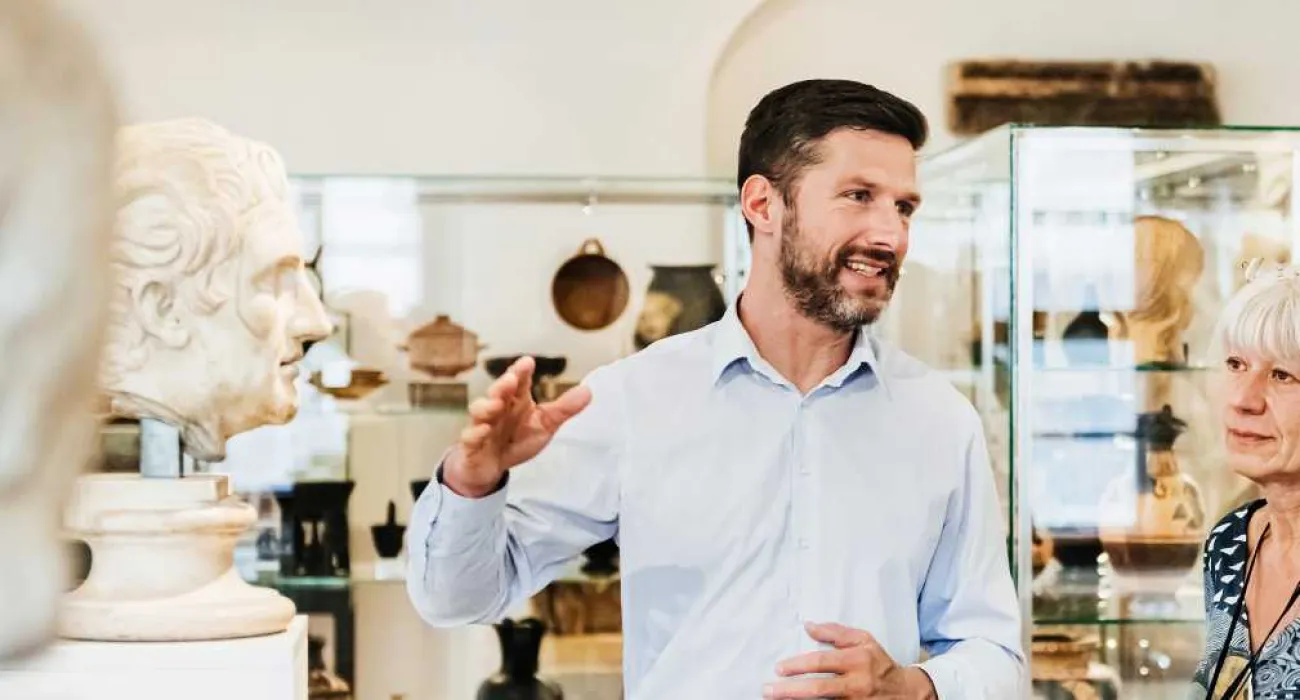
What Are the Duties of a Cultural Attaché?
To better understand the profession of a cultural attaché, it is worth knowing their missions. Here are the main missions of a cultural attaché:
- Coordinating the promotion of cultural and artistic initiatives of their country abroad;
- The implementation of an action program (festivals, exhibitions, conferences…);
- Maintaining partnerships with public authorities and local cultural operators;
- Logistical organization of events;
- Ensuring that events run smoothly;
- Supervision of teams of collaborators;
- Administrative follow-up of files;
- Maintaining exchanges with artistic players;
- The selection of contributors for a cultural project.
Cultural Attaché Profession: Required Skills
To carry out their work as a cultural attaché, the person must have several qualities. In terms of professional skills, they must:
- Knowing how to define and implement a good promotion policy suited to the challenges of the country where one is posted;
- Mastering writing, website management, and other communication tools;
- Knowing how to manage the budget allotted for carrying out a cultural project;
- Having a keen knowledge of the culture of one’s country;
- Having a keen knowledge of the diplomatic relations between one’s home country and the country where one is posted;
- Being aware of current political affairs and public figures in the country where one is posted;
- Speaking several foreign languages;
- Having some notions of accounting;
- Having good interpersonal skills and a team spirit.
Excellent interpersonal skills are also necessary for this profession. The professional must in particular be creative and have great artistic sensitivity. As they will be dealing with many different people, a sense of public relations is also a quality to have. Finally, the cultural attaché must be organized and show initiative.
Working as a cultural attaché involves countless trips. It is therefore essential to have great flexibility in schedule and time management in general. Perfect stress resistance is also called for. Sometimes, the cultural attaché may work late in the evening and on weekends. They must be determined and know how to balance professional and personal life to keep up the pace.
Cultural Attaché Profession: Fields of Practice
The cultural attaché can practice their profession in several organizations. They often work in embassies and are assigned very varied projects. They can put their know-how to work in different fields such as visual arts, cinema, multimedia, literature… They build partnerships with public authorities and are the spokesperson of the country they represent. They ensure the image of the embassy to which they bring their expertise.
A cultural attaché can also offer their services to public services and organizations linked to art and culture. They will then be in charge of implementing a cultural policy. Sometimes, universities call on this professional to handle their international projects as well as all of their artistic activities. In these higher education institutions, cultural attachés with a specialization, such as professors, will have a better chance of being hired.
As this position is part of the civil service, to become a cultural attaché you must pass the category A competitive exam of the Ministry of National Education before being assigned a post. An internal or external competitive exam organized by the Ministry of Foreign Affairs will also allow them to apply. For specialists such as professors, recruitment is often based on application review. They will need to submit an original and well-filled résumé. Presenting a portfolio with all the projects they have already had the opportunity to carry out will also be an asset.
Studies to Become a Cultural Attaché
Programs to become a cultural attaché are open after the baccalaureate. Students will need to acquire several skills through specific training. At IESA, several options are available. Students can build their knowledge with a Bachelor. It is a 3-year program with a work-study option. At this level, two choices are possible:
- The Bachelor in Cultural Communication is organized into 3 blocks (developing an internal and external strategy, developing communication systems, managing a communication project);
- The Bachelor in Cultural Mediation is divided into 5 blocks (promotion and communication of a project, budget management, project definition, production and implementation of mediation tools, organization and production of a project).
At IESA, three admission routes are available for those who wish to join the Bachelor program. They can either register for an online admission session, complete the application file and mail it in, or apply directly on the school’s website.
After the Bachelor, it is strongly recommended to continue with a Master to earn a Bac+5 level degree. The studies last 2 years and the program also offers a work-study option. At IESA, the following programs are available:
- The Master in Communication and Culture develops skills in managing digital systems, defining technical solutions during a project, digital strategy and digital system deployment.
- The Master in Cultural Mediation Policy allows students to develop critical thinking, gain a good understanding of digital tools, learn how to produce an artistic project, learn how to develop a professional project, and open doors to international projects.
To join a Master, the student must send their complete file and then arrange an individual interview with the admissions managers.
IESA admission requirements
Registration goes through 4 steps:
- Apply via the application form or the online application;
- An admission interview: conducted through an individual interview or an admission session;
- An admissions committee deliberates to admit the student or not;
- An enrollment file to be submitted once the student is admitted.
Upon receipt of the application file, the admissions department contacts the candidate for an admission session or an individual appointment.
IESA’s 3-year Bachelors are intended for students holding a Baccalauréat. Students holding a validated Bac+1 or Bac+2 can join the program in the 2nd or 3rd year through lateral admission procedures.
The 2-year Masters are intended for those with a Bachelor or bachelor’s degree. It is possible to join these programs directly in the 2nd year if you hold a Bac+4.
What Is a Cultural Attaché’s Salary?
Working within an embassy, their salary will depend on their years of experience. A salary index scale is predefined for those who work in the public services. Allowances and bonuses depend on several factors such as seniority, the security level of the country of assignment, place of residence…
What Career Progression Is There for a Cultural Attaché?
As for career progression, the cultural attaché will first have to develop their skills in different organizations. Once they have proven themselves and gained several experiences, they will be able to work as a public relations advisor and in other related roles.