


From passion to action: train in cultural project management
Do you want to deepen your artistic and cultural training to give your projects a second wind? Do you dream of making a living from culture and changing careers into this sector you are passionate about? The Professional Master in Cultural Project Management is made for you! Organizing an exhibition, producing a concert or a show, promoting your region by developing local cultural projects: this Master invites you to discover all of that.
This 6-month program will let you acquire the essential skills for leading projects in the cultural and artistic sector: artistic development, administrative and financial management, production, distribution, marketing & digital communication.
Key Information
| Program | Professional Master in Cultural Project Management |
|---|---|
| Duration | 7 months + 2 to 6 months of possible internship |
| Start Date | November |
| Certification | RNCP title no. 42330 – level 7 "Artistic and Cultural Projects Administrator" |
| 2027-2028 Fees | €10,800; €150 in tuition-related fees |
Why Choose the IESA Professional Master in Cultural Project Management?
Develop a Real Cultural Project
The program is based on project-based learning. Each learner works on a personal professional or cultural project to put into practice the skills acquired during the program.
Master Every Dimension of a Cultural Project
Design, budget, funding, law, production, distribution, mediation, digital communication: the program helps you understand the key stages needed to carry out an artistic or cultural project.
Support Recognized by Students
83% of students would recommend that a student pursue their studies at IESA.
Source: Toluna - Harris Interactive Survey - February 2025.
Benefit from Personalized Support
Small class sizes allow for more individualized follow-up. Learners can receive support in structuring their project, their professional presence, and their entry into the sector.
Learn with Industry Professionals
Classes are taught by speakers from the cultural and arts sector. Teaching is tied to the professional realities of cultural organizations, projects, and careers.
Strengthen Your Professional Network
The program encourages professional meetings, concrete cases, real projects, and exchange time with players in the cultural sector.
What Are the Goals of This Program?
The educational objectives of this program are to enable the learner, by the end of the program, to:
- Acquire the professional skills essential to leading projects in the arts world: administrative and financial management, production, distribution, marketing & digital communication, artistic development.
- Develop experience and a professional network through contact with speakers, the partnerships established by the school, the completion of a full-scale individual project, or an internship.
- Acquire and master the professional practices of the arts and cultural sector: demeanor, soft skills, vocabulary. Master current and upcoming artistic and economic trends.
- Enable learners to develop a critical mind and propose relevant projects in line with the sector’s current requirements and its upcoming developments.
- Explore the major challenges of technological developments applied to the arts and cultural sector: Metaverse, NFTs, Livestream.
What You Will Learn
The Administrator of Artistic and Cultural Projects title aims at the acquisition of the following skills:
- Defining an Artistic and Cultural Project
- Manage the administrative and financial operations of an artistic and cultural project
- Deploying a Marketing and Distribution Strategy for an Artistic and Cultural Project
- Manage an artistic and cultural project
- Developing the Funding Strategy of an Artistic and Cultural Project (Specialization)
The Program
UE1 – Defining and Positioning an Artistic and Cultural Project
This unit lays the strategic foundations of the cultural project: context analysis, understanding audiences, institutional frameworks, and contemporary responsibilities.
- Cultural Regulation and Policy
- Sociology of Audiences & Cultural and Artistic Ecosystems
- Culture, Ecological Transition, Governance & Responsibility
- Cultural Economics & Strategic Watch
- Technology Watch, AI, and Cultural Innovations
- Cultural Engineering and Strategic Structuring of the Project
- Study and impact of the cultural and artistic market
- Designing an artistic and cultural project
- Third Places and Cultural Regional Planning
Objective: to move from analysis to a coherent, contextualized, and well-argued cultural project.
UE2 – Securing Administrative, Financial, and Legal Operations
This unit trains students in the responsible and secure management of cultural projects, taking into account budgetary, legal, and tax requirements.
Financial & Budget Management
- Introduction to Excel (Management Tool)
- Accounting & Payroll Applied to Cultural Projects
- Production and Operating Budgets
- Taxation of Cultural Businesses and Organizations
- Financing Plans & Grants
- Partnerships, Patronage & Sponsorship
- Workshop: Funding & Fundraising
Legal management
- Artistic creation law
- Contract Law in the Cultural Sector
- Cultural legal structures and employment law for artistic work
Objective: to ensure the feasibility, compliance, and economic viability of the cultural project.
UE3 – Developing Audiences, Mediation, and Distribution
This unit focuses on the relationship between the cultural project and its audiences, incorporating marketing, mediation, communication, and sales.
- Cultural marketing & audience analysis
- Platform business models & digital distribution
- Workshop: Development Strategy, Communication & Cultural Attractiveness
- Digital production and publishing tools
- Marketing & Ticketing (Online/Offline)
- Cultural mediation workshop
Objective: to design mediation, distribution, and audience access strategies aligned with the project’s purpose.
UE4 – Managing Stakeholders and Leading the Project
This unit develops the mindset of a cultural project manager: people coordination, management, decision-making, and leadership in complex contexts.
- Team building & group dynamics
- Combating sexual and gender-based violence and harassment
- Universal accessibility and cultural inclusion
- Professionalization & professional meetings
- Entrepreneurship in the Art Market & Evolving Cultural Professions
- Cultural Management & Leadership, Negotiation & Conflict Management
- Crisis management and business continuity
- Coaching & project methodology
- Risk Management and Feasibility Analysis
- Continuous Improvement & Quality Management
- Public speaking workshop
- Preparing for the Oral Defense of the Project
Objective: to adopt the leadership, responsibility, and decision-making stance expected at executive level.
UE5 – Sector Specialization and Professional Applications
This unit makes it possible to apply skills to specific cultural sectors (depending on projects and options).
- Professional Ecosystems & Performing Arts Organizations
- General Stage Management & Production Techniques
- Music Project Production and Development (option)
- Circus and Street Arts Production (option)
- Audiovisual Production & Economics (option)
- Distribution, Sales & Tour Development
- Designing and Implementing a Cultural Tourism Project
Objective: to contextualize project management according to field realities and cultural sectors.
Professional project & certification
How Are Students Assessed?
Assessment linked to the professional certification of RNCP title 42330:
The level 7 certified title “Administrator of Artistic and Cultural Projects” is awarded after validation of the 5 skills blocks. Each block involves simulated or real professional scenarios, with structured deliverables assessed by a jury of professionals.
Defining an artistic and cultural project
Professional simulation based on a real or fictional case on defining an artistic and/or cultural project.
Case study based on a real or fictional case of designing a cultural and artistic mediation proposal, including documentation on defining an artistic and cultural project.
Conducting the administrative and financial operations of an artistic and cultural project
Practical case based on a real or fictional case on conducting the administrative and financial operations of an artistic and cultural project.
Professional simulation based on a real or fictional professional situation of implementing a partnership.
Deploying a digital sales and distribution strategy for an artistic and cultural project
Professional simulation of a real or fictional case of deploying a digital sales and distribution strategy for an artistic and/or cultural project.
Practical case based on a real or fictional project to carry out in the art market and/or cultural industries sector.
Managing an Artistic and Cultural Project
Professional simulations based on a real or fictional case involving the coordination of a project’s stakeholders, and on a real or fictional case of implementing a quality system following a project closure.
Practical case based on a real or fictional case presenting challenges in optimizing project management processes.
Developing the Funding Strategy of an Artistic and Cultural Project
Professional simulation based on a real or fictional professional situation involving defining the fundraising strategy, negotiating partnerships and patronage, setting up loyalty actions, and assessing the financial impact of the partnerships and patronage of an artistic and cultural project.
Teaching Methods
- In-class courses led by professors or professional practitioners who are experts in their field
- Professional simulations in group or individual work on real cases provided by a partner company or on representative cases. You will present your recommendations orally or in writing
- Individual coaching allowing you to take stock of your skills and professional resources
- Meetings with professionals through themed seminars, lectures, talks by alumni…
- Project-based learning, in groups or individually
Open Day: December 5
Open days let you discover the campus, meet the teams, ask your questions about the program, admissions, work-study, student projects and career opportunities.
It is also an opportunity to better understand the teaching approach of IESA arts&culture and the organization of these programs.

What careers after a Pro Master in Cultural Project Management?
The Pro Master in Cultural Project Management prepares students for roles related to the administration, management, production, distribution, development, and communication of cultural projects.
Career opportunities depend on the profile, prior experience, professional project, and type of organization targeted.
Cultural Administration Cultural and Artistic Project Administrator
Cultural Organization Administrator
General Theater Administrator
Company Administrator Project Management and Leadership Project Manager in the Cultural Sector
Cultural Engineering Consultant Production and Distribution Production, Distribution, or Booking Director of a Performing Arts Venue or Company (streaming, live, publishing) Programming and Audiences Programming Manager
Audience / Mediation Director Cultural and Regional Development Cultural Tourism Development Manager
Director of Cultural and Artistic Affairs Cultural Communication Communications Director of a Cultural Institution or Company
Graduates can work in cultural organizations, companies, performance venues, institutions, local authorities, regional projects, cultural businesses, or artistic organizations.
Our Alumni Share Their Stories
Anaïs de Senneville
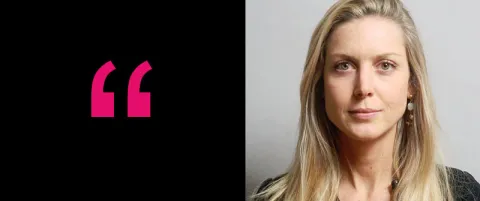
"In fact, IESA gave me the ability to set up a cultural project from start to finish. The school also let me discover the performing arts and tour the State’s cultural administrations."
Magali Vannier
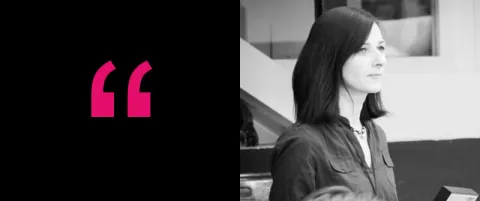
"IESA gave me fruitful encounters with professionals who are experts in fields as varied as cultural sponsorship, contemporary stage production, heritage conservation, mediation, or cultural engineering…"
Certification
This master’s program prepares for the RNCP title level 7:
"Artistic and Cultural Project Administrator"
| Employment Rate | 74% at 6 months for students awarded the title, class of 2024 (most recent France Compétences rate - RNCP title 42330) |
|---|---|
| Certification Rate | 79.2% (class of 2024) |
| RNCP Code | RNCP 42330 |
This title is issued by: ECAD Consultants - IESA arts&culture by decision of the Director General of France Compétences dated 05/29/2026 for a period of 3 years.
How to Apply to IESA?
Admission is based on an application file and an interview with the admissions committee
- 1. You find out about the school and its programs.
- 2. You apply to the school by filling out a form on the website.
- 3. We call you to schedule an admission interview
- 4. A few days after the interview, you receive your admissibility decision
How Much Does the Program Cost?
For the 2027-2028 year, the fees are as follows:
| Year | Tuition |
|---|---|
| Program | 10 800 € |
| Tuition fees | 150 € |
Applicants can contact the admissions team to find out about:
- payment options
- funding options
The Master lasts 7 months and can be supplemented by a 2- to 6-month internship
840 hours
Current-year schedule: the number of hours may vary slightly from year to year.
Prerequisites:
Initial training (students) : Hold a level 6 certification (Bac+4), or an equivalent degree (foreign degree, etc.), or have earned 240 ECTS credits, in the targeted or a related field (culture, art, project management, communication, marketing, events, etc.)
Continuing education:
Entry with a level 6 (Bac+3/4): Hold a level 6 certification, a Bac+3, or an equivalent degree (foreign degree, etc.), or have earned 180 ECTS credits in the targeted or a related field (culture, art, project management, communication, marketing, events, etc.)
or hold a level 6 certification, a Bac+3/4, or an equivalent degree (foreign degree, etc.), or have earned 180 ECTS credits, in another field of study/profession related to the targeted certification and demonstrate at least 12 months of professional experience in the targeted sector.
Entry with a level 5 (Bac+2): Hold a level 5 certification, a Bac+2, or an equivalent degree (foreign degree, etc.), or have earned 120 ECTS credits in the targeted or a related field (culture, art, project management, communication, marketing, events, etc.) and demonstrate at least 12 months of professional experience in the targeted sector.
or hold a level 5 certification, a Bac+2, or an equivalent degree (foreign degree, etc.), or have earned 120 credits in another field of study/profession related to the targeted certification and demonstrate at least 24 months of professional experience in the targeted sector.
Entry with a level 4: Hold a level 4 certification, a baccalauréat, a DEAU, or an equivalent degree (foreign degree, etc.), and demonstrate at least 48 months of professional experience in the targeted sector.
Specific exemptions : If the candidate does not have the required professional experience or degree, they must submit a file demonstrating their ability to earn the professional certification (VAP, employer certificate, or other evidence of professional, personal, or volunteer experience that allowed them to acquire related skills…).
Admission is based on an application file and a personalized interview focused on the professional project.
Access timeframes: Admissions are open from October 2026 to October 2027 for a November 2027 start. Applications are processed within 3 weeks maximum after receipt of the complete file. Enrollment is possible until the start date, subject to available places.
By exception, enrollment is possible after the start date of the program, following review and verification of the learner’s ability to catch up on the learning already delivered, within a maximum of two months after the start of the program.
Contact: formationspro@iesa.fr
The program takes place at IESA on the LE DELTA campus (16 rue Claude Bernard, 75005 Paris) and at partner cultural venues.
IESA premises are accessible to people with disabilities. The admission interview and the course of study can be adapted to the needs of those concerned, who are therefore invited to express them as soon as they apply to the school. Contact: handicap@iesa.fr
If you do not obtain the RNCP title, please note that if you have validated all the skills of a block, that skill block is yours permanently.
Equivalences: In the case of an equivalence, whether through VAE and/or the award of a skill block or an equivalent certification, it is up to the applicant to present this equivalence to the jury for validation.
Bridging paths: No bridging path for this program.
Further studies: This program is designed for professional entry.

Project
Caméo (Traveling Cinema)
