

Alongside the academic path, IESA arts&culture’s programs offer a professionalizing path that is just as important for students' success and their integration into the working world. Internships, meetings with professionals, group and individual projects, and case studies are at the heart of their teaching approach.
IESA partnerships





The professional development service - Corporate relations
IESA arts&culture programs are designed to meet the needs of the professional sectors of arts and culture and their evolution. The school’s professionalization department ensures that every student benefits from support in their professionalization efforts.
Learn more about the Corporate Relations and Professionalization Department
The professionalization pathway is divided into three main areas:
1/ Work-study and internships in arts and culture institutions and companies
Since its creation in 1985, IESA arts&culture has built a very large professional network. Work-study and internships are not an add-on to the program; they are fully part of the student’s educational path from the first year. Their role is at once to allow the discovery of professions, the practice of knowledge and skills acquired in the programs, the building of a professional network and the critical analysis of companies and their modes of operation.
Simply put, work-study and internships allow students to verify that they have acquired their knowledge and to put it into practice, to discover, understand and integrate the professional sector they are training for.
Each student is in touch with the professionalization office to build their career path, from discovering sectors to professional integration in the chosen profession or specialization. To help them, their advisor meets them for a guidance interview, helps them write their CV and cover letters, supports them in choosing their work-study placements or internships and prepares them for recruitment interviews.
Work-study and internships are the subject of written reports, evaluation interviews and defenses before a jury, which allow the credits assigned to the student’s professionalization path to be validated.
2/ Group Projects and Personal Projects
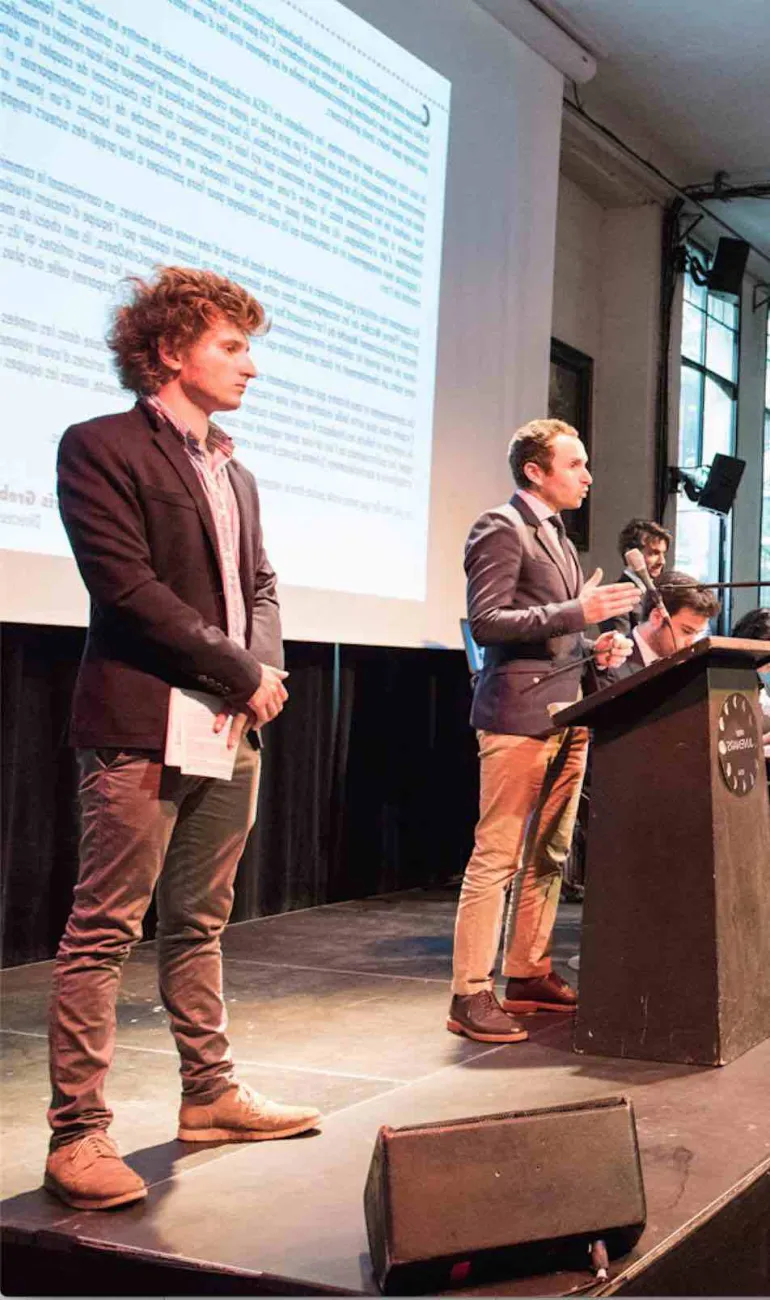
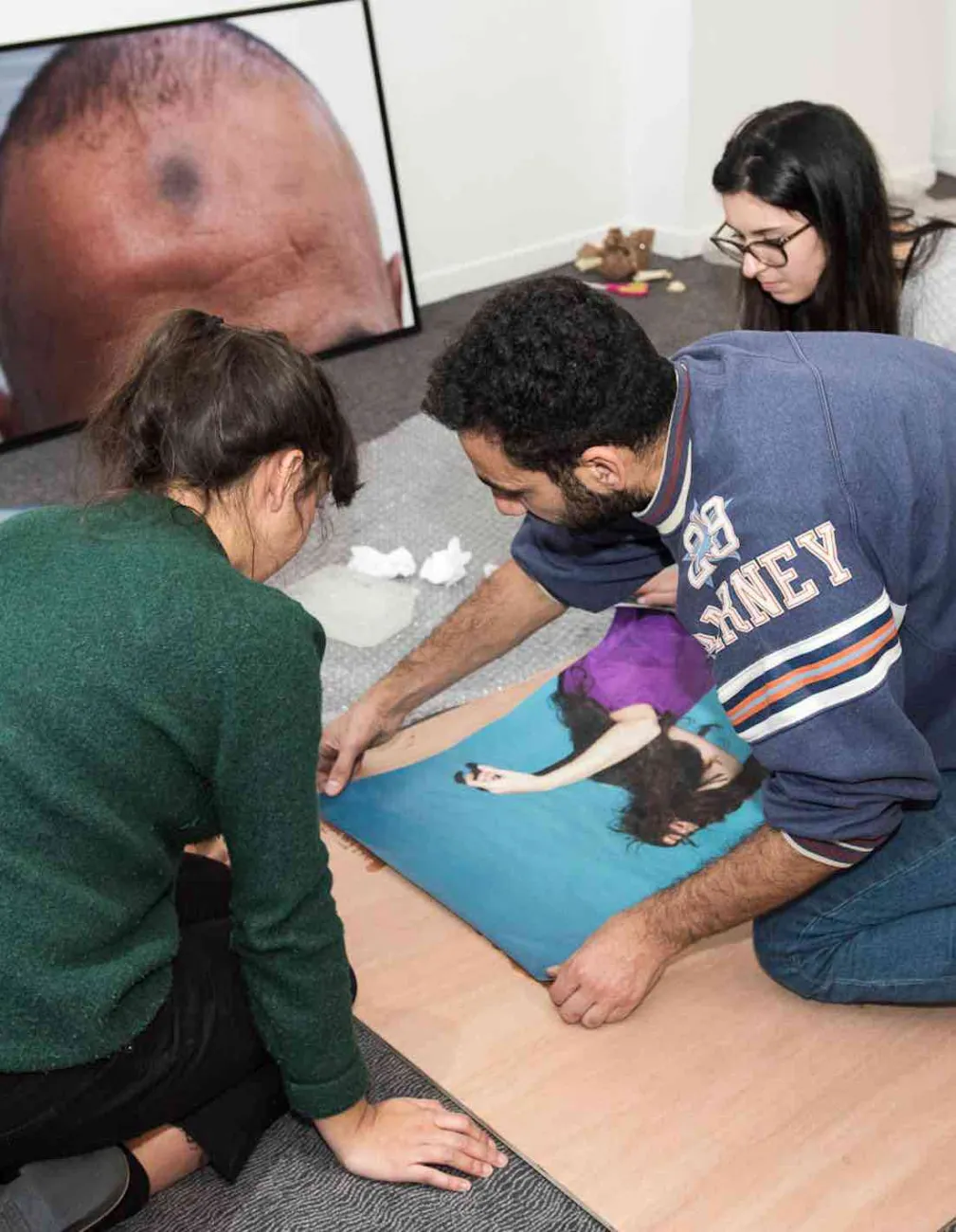
The teaching approach at IESA arts&culture gives an important place to real projects. These projects synthesize all of the coursework and give students the opportunity to concretely carry out cultural productions, from their conception to their communication and mediation. In the first years of study (Bachelor 1, Bachelor 2, or Master 1), students carry out group projects coached by professionals, who can thus revisit with them the acquisition of methodologies and the practice of the various skills being developed. In the final year (Bachelor 3 or Master 2), students carry out a personal project in their specialty, drawing on the skills that the group projects allowed them to acquire and showcasing their area of expertise to enrich their résumé.
The projects carried out by students cover all the cultural fields taught at IESA arts&culture: auctions, exhibitions, concerts, performances, short film production, studies on promoting a heritage site or territory, implementation of a mediation policy…
3/ Classes and Practical Cases Within the Academic Path
Integrating professionalization into the academic path gives students pedagogical coherence. This coherence is made possible by the very makeup of the faculty, 90% of whom are practicing professionals. It is also developed through teaching options, both for acquiring knowledge in class and for validating learning in exams.
By favoring case studies, the teaching approach at IESA arts&culture strives to place at the heart of its teaching the skills that make up the framework of the certified titles that validate the training paths.
All training paths also include an analysis of the chosen professional sector in France and abroad: analysis of the players and how they interact, understanding of business models and of the links between the private sector and public institutions, etc.
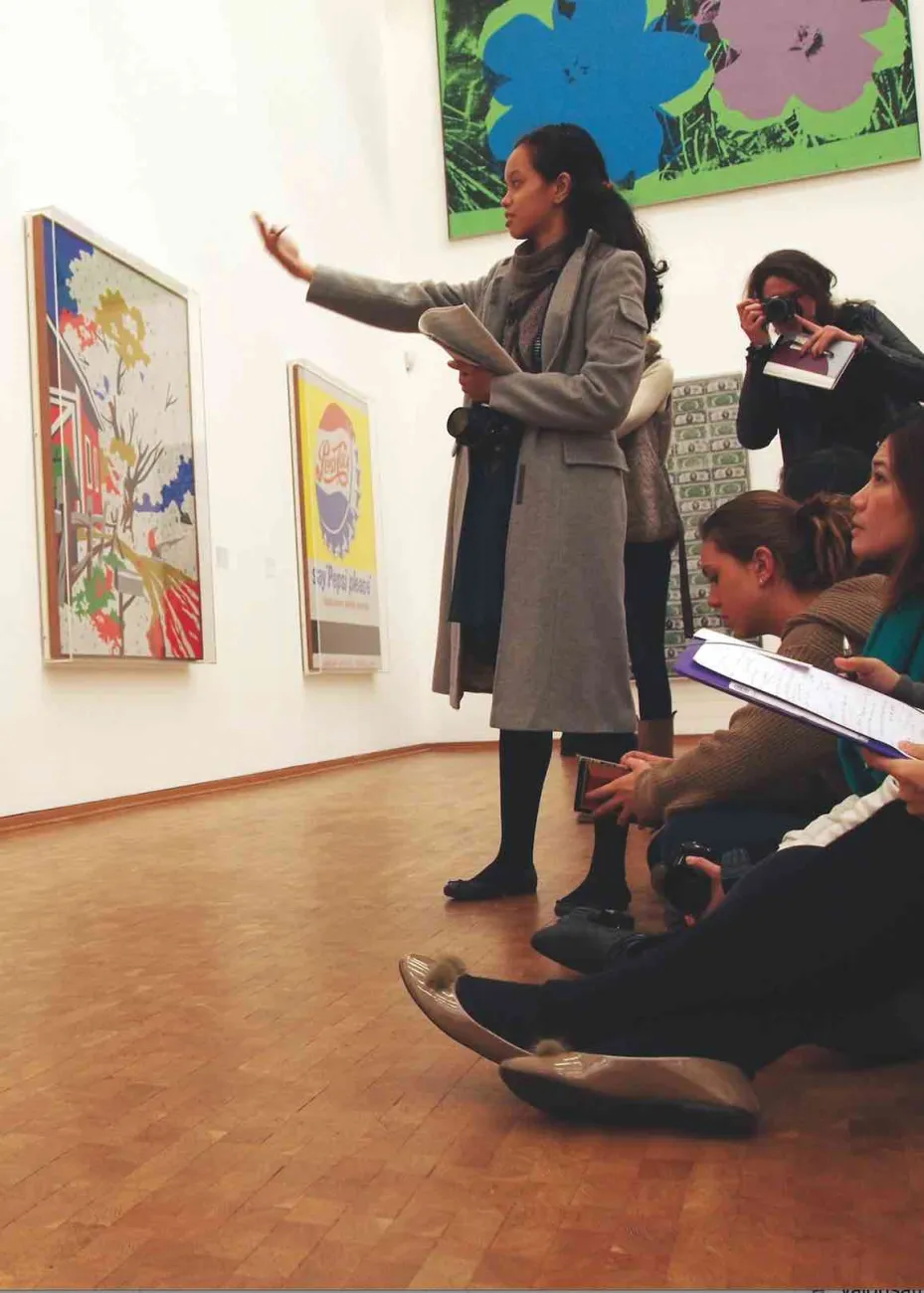
This analysis is reinforced by meetings with professionals and visits to institutions (museums, heritage sites, foundations) and companies (galleries, tech giants, theaters). The teaching approach at IESA arts&culture thus allows students to build a professional network throughout their program, which is a great help in finding the internships best suited to their needs and opening the doors to their career in the short, medium, and long term.
Entry prerequisites for a work-study program (apprenticeship or professionalization contract)
- For a 3-year program (Bachelor): Hold a level 5 certification, a bac+2, or an equivalent degree (foreign degree…), or have completed 120 ECTS credits in the targeted or a related field (culture, art, project management, communication, marketing, events, etc.).
- For a 2-year program (Master): Hold a level 6 certification (bac+3), or an equivalent degree (foreign degree…), or have completed 180 ECTS credits in the targeted or a related field (culture, art, project management, communication, marketing, events, etc.).
- For a 1-year program (Professional Program): Hold a level 6 certification (bac +4), or an equivalent degree (foreign degree…), or have completed 240 ECTS credits, in the targeted or a related field (culture, art, project management, communication, marketing, events, etc.).
Prerequisites for access to the work-study certification
- Having met the program’s entry requirements.
- And have completed a work-study program* preparing for and leading to the targeted certification with the certifier or a partner under agreement (*3-year program: 36 months / 2-year program: 24 months / 1-year program: 12 months).