

Many people dream of working in film. We often think of jobs in front of the camera, yet a host of professionals work behind it.
Actors and Their Agents
For many, working in film means becoming an actor to be in the spotlight. Drama training and theater studies are necessary to acquire the basics of the profession. Actors are often represented by talent agents, whose role is to spot new talent and support them throughout their careers. The agent finds roles for his or her client and negotiates contracts. IESA arts&culture offers a Bachelor in Film and Audiovisual to those interested in this profession. For information, a talent agent’s remuneration is approximately 10% of the fee of the actor he or she represents.
Production Careers
Numerous careers are available in audiovisual and film production. Top schools such as IESA arts&culture offer suitable programs for working in this sector. The Bachelor in Film and Audiovisual thus allows students to acquire the basics of audiovisual production. Among other things, they learn the methodologies, regulations and specifics of the production chain. At the end of their program, students holding a Bac+3 in film and audiovisual can apply to become production manager, production or distribution officer, assistant director, cultural program host or cinema operator. They also have the option of continuing their studies for two more years to obtain a Master in Audiovisual and Film Production. This Bac+5 in Film allows them to apply for positions of responsibility such as production director, producer, showrunner, distribution manager or postproduction officer.
Technical Careers
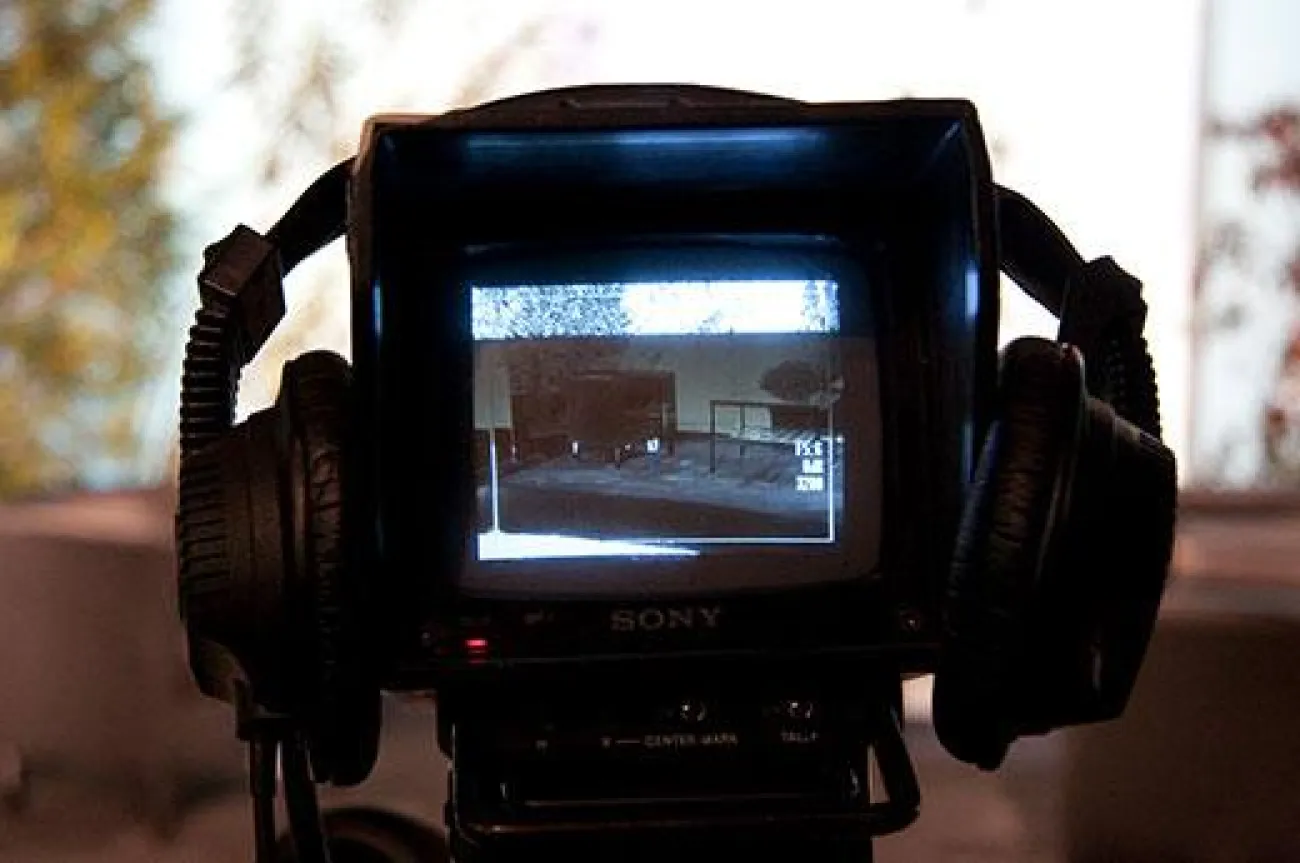
Film careers are as numerous as they are exciting. The camera operator, for example, is responsible for handling the camera following the director’s instructions. The sound engineer is also an indispensable profile in the film world. Working with a boom operator, he or she handles sound recordings. For his or her part, the director of photography determines the technical choices according to the scenes to be shot. He or she selects in particular the cameras, lenses and lights to be used. For its part, the 2D/3D animator brings graphics to life. In film, this professional draws on graphic knowledge and dedicated software to create special effects.