

The art exhibition is a cultural and artistic event that helps spread the arts, brings people together, and makes artists known. It can also have commercial objectives. Organizing an exhibition involves specific steps and procedures, to be adapted according to the characteristics of the venues and the intentions.
What is an art exhibition?
The principle of an exhibition is to allow an audience to admire and understand works of art and thus give visitors the opportunity to become familiar with different historical artistic movements and to reflect on questions related to art and society. The exhibition is also a place of meeting and exchange between artists, art lovers and collectors, and art world professionals: curators, historians, specialists…. An exhibition may be sponsored by a public institution as part of raising awareness of culture and art, by a foundation, an association, or even by an art gallery as part of its commercial activity.
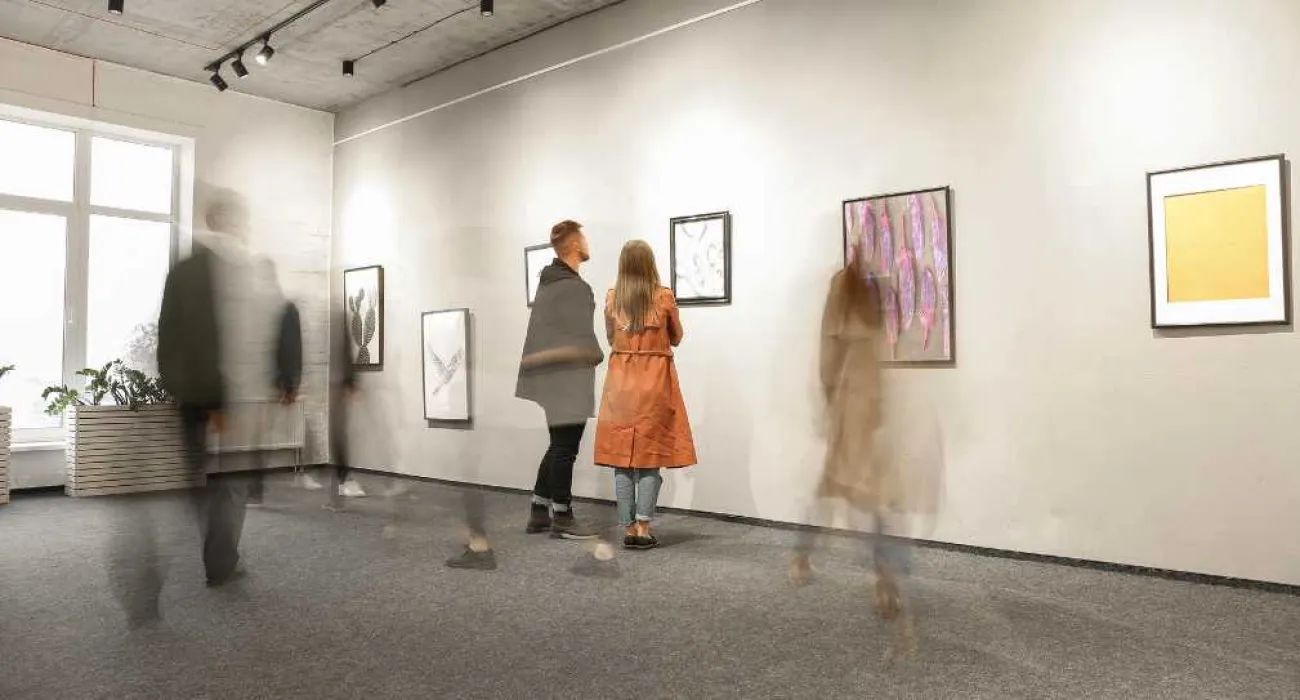
Event Exhibitions
The word exhibition first evokes an event, that is, the setting up in a venue and for a chosen duration of works of art visible to the public. These events make it possible to enjoy works that are new, rarely shown, or on loan. They may also be performances or thematic retrospectives.
They take place in venues hosting cultural events: exhibition halls, public galleries, museums, cultural centers, or any other suitable venue such as the premises of public institutions (dedicated spaces in city halls, libraries and media libraries). Art foundations and art spaces sponsored by or belonging to major brands. Brands also organize exhibitions of various scales and of all kinds! There are also digital exhibitions. Exhibitions may be visited for free or for a fee, depending on the organizer.
The Principle of Public Exhibition
The term exhibition is also used for any work that is "exhibited," that is, "shown," whether temporarily or permanently. Thus, in museums we speak of a permanent or temporary exhibition whether the works presented come from a museum’s collection or a loan. In galleries, we also speak of an exhibition to refer to what the gallery offers and presents, just as when we talk about the booth of a gallery or dealer at a show or fair. An exhibition indeed serves various goals: conveying a message, creating a reaction and, of course, showcasing the works.
What are the different types of art exhibitions?
Art exhibitions can take different forms, themes and objectives.
They can, for example, present:
- Works by a single artist (monographic or solo show) or by several artists (group exhibition).
- Works from the same period or the same art movement.
- Works around a particular theme.
- A selection of works from a museum’s or a collector’s collection.
- Complementary works chosen according to the gallery owner’s personal criteria.
This choice is made by the organizing committee and the sponsors of the exhibition, as well as by the curator.
How to Organize a Good Art Exhibition?
A good art exhibition is above all one that reaches its audience. It can offer a fresh take on well-known works, a simple presentation of a new artist, or an ambitious and original scenography and be just as appreciated. The quality of the exhibition is above all based on the quality of the works presented, but also on how this is done through these different aspects:
- Selecting the works: The exhibition curator, or exhibition manager, makes their selection by taking into account the quality of the works, their consistency with the exhibition theme, and public interest.
- Scenography: Scenography is essential to the success of an exhibition. It is the art of designing and organizing the space of an art exhibition to showcase the works on display and create an immersive experience for the public: choice of hanging, order of the works, themes, set elements (furniture, platforms, lighting, or any other atmospheric element), wall labels, etc.
- Cultural mediation: Cultural mediation aims to make artworks easier for the public to understand. Cultural mediators offer guided tours, workshops, lectures, etc. They can also answer visitors' questions and help them deepen their knowledge of art. In a gallery, mediation means sales, carried out by assistants, salespeople, and the gallery owner in person. Artists are also invited to meet collectors at openings.
- Communication with audiences and the media: Developing a visit program (self-guided or guided), wall labels, and guides, as well as an exhibition catalog visitors can refer to, is an important point. For the exhibition to succeed, communication is also crucial: social media, newsletters, flyers, mentions in the cultural calendars of the most relevant media, press invitations, and many other means can be used. In galleries, openings, hangings, and closing events are all opportunities to invite VIPs in order to strengthen ties.
Who Organizes an Art Exhibition?
Preparing an exhibition requires the involvement of different specialists depending on the type of exhibition:
- an exhibition curator , also called a curator, whose mission will be to select the works and possibly the artists.
- a team or a person for the scenography.
- cultural mediators, tour guides, etc.
- communications officers.
- reception, ticketing, and security staff.
- possibly from an event agency, a caterer, or a public relations agency / press officer.
- technicians (installation, dismantling, lighting, etc.)
What training is needed to work in art exhibition organization?
Art exhibitions are a very varied field with many public or private players. To enter this professional world, training in art history is required. A specialization in artistic project management, or in cultural communication lets you deepen your professional knowledge and skills.
IESA, a higher education school for culture and the arts, offers complete programs and the option of work-study, one of the best ways to combine theory and practice.
Bac+3
- Bachelor in Art Market
- Bachelor in Cultural Communication (open in the 3rd year to students holding a Bac+2 in Art History)
Bac+5
- Specialized Master dedicated to the career of exhibition curator
- Master in Cultural Communication Strategy