

The antiques dealer is a merchant of old works and objets d’art (furniture, jewelry, paintings). This profession requires in-depth knowledge of art history. These skills are acquired through experience and strengthened by appropriate training.
In this article, find the key information about the profession of antiques dealer:
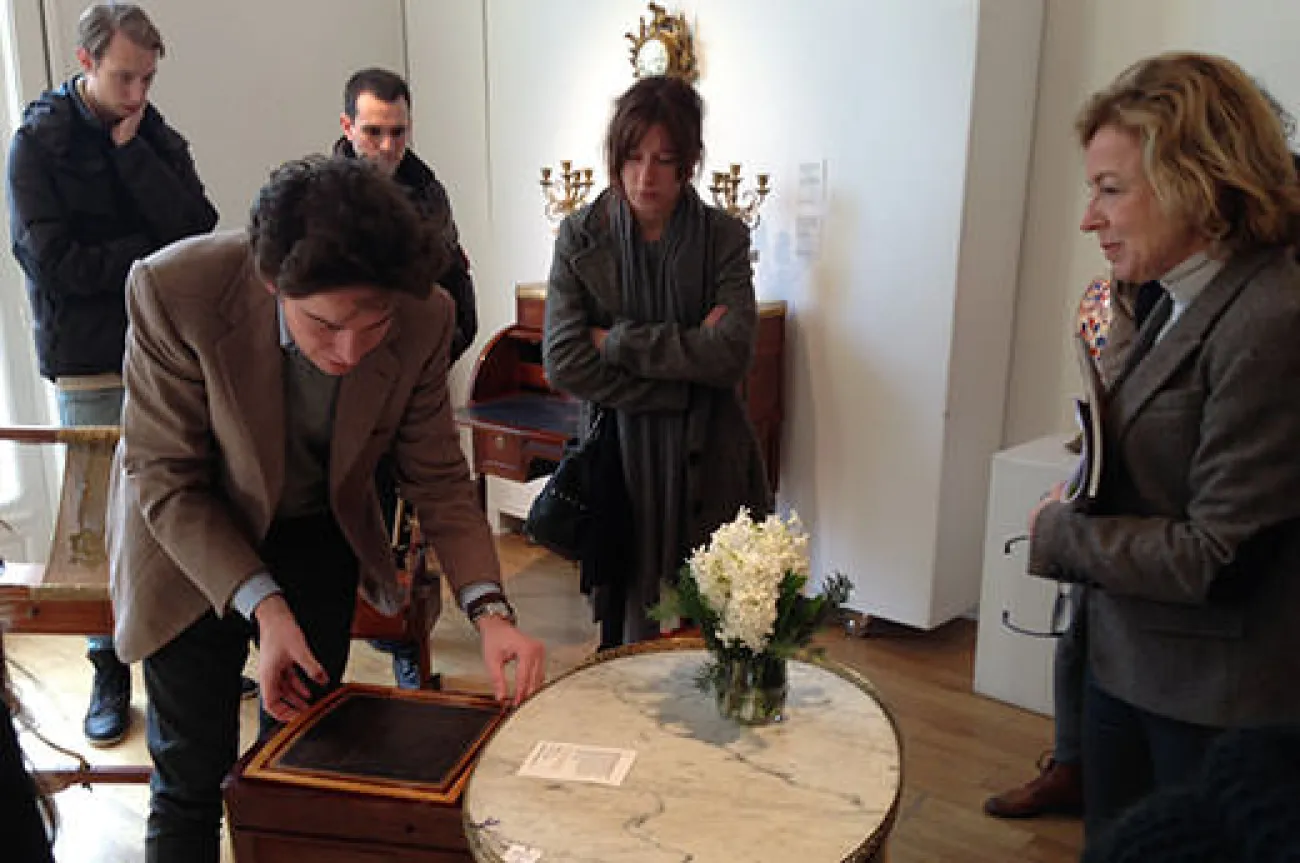
Definition of the antiques dealer profession
The antiques dealer buys art objects that they resell, sometimes after having restored them or had them restored. During their research and purchases, they must be able to recognize the origin, value, and authenticity of a piece. Having a good eye is an essential quality for identifying fakes and copies. They look for old objects, inspect them, and authenticate them. To find interesting pieces, they must stay informed, do research, and travel regularly.
The antiques dealer’s profession should be distinguished from that of a second-hand dealer. The antiques dealer is a specialist who sells exceptional objects in perfect condition, whereas the second-hand dealer sells objects as they are.
What skills are required to become an antiques dealer?
A keen knowledge of the art market and art history is mandatory to work as an antiques dealer. However, as a merchant, they must also have solid foundations in business and management. They must indeed know how to:
- Appraising an object to determine its origin, make, and originality;
- Showcasing the objects they sell, negotiating and closing a sale;
- Organizing online product promotions;
- Organizing fairs, conferences, meetings, and themed events;
- Handling the administrative management and accounting of their business;
- Mastering at least one foreign language.
Finally, to sell objects, they must be a skilled negotiator and have a sense of communication;
How to Become an Antiques Dealer: Studies and Programs
The antiques dealer profession can be learned on the job or from experienced antiques dealers. Indeed, no degree is essential to practice this profession. Learning often takes place through the transmission of family know-how.
However, to excel in this field, it is advisable to study art history. You can choose a university program in art history or opt for the humanities and social sciences track specializing in the art and antiques trade.
Various programs are also offered by IESA, the international school for culture and art market professions. Students can follow a Bachelor in Art Market (3 years of higher education) followed by a Master in art market in one of the following specializations: ancient and modern art, contemporary art and exhibition curation.
To claim the title of expert, a young antiques dealer must present a thesis and obtain the co-optation of their peers.
The professional program to become an antiques dealer is provided by Drouot Formation:
Drouot Formation offers a complete professional program enabling students to become competent antiques dealers. Thanks to Drouot Formation, you will have direct contact with professionals and immersion with the artworks displayed at the Hôtel Drouot. This program prepares students optimally for the antiques dealer profession through perfect mastery of the process of valuing and appraising artworks. Drouot Formation provides support throughout the year to allow them to build their professional project alongside their studies, which is one of Drouot Formation’s strengths.
What is the field of activity of an antiques dealer?
An antiques dealer may specialize in a particular period or style, such as 20th-century modern art or Islamic style, etc. They work in the art market, constantly on the lookout for exceptional objects: period furniture, sculptures, paintings, weapons, jewelry, porcelain, etc.
Antiques dealers serve a particular clientele, usually art lovers.
In the search for antique objects, trade shows, flea markets, garage sales, private sales and sales at private homes are significant avenues. Family inheritance is also an excellent source of supply.
What Career Progression Is Possible for an Antiques Dealer?
To open their own business, an antiques dealer must file a prior declaration with the prefecture, register in the trade register, and keep a police log. Having stock and capital is essential at the start. Early in their career, working as a salesperson for a junk dealer is a good option for gaining experience and building capital. A solid contribution makes it possible to set up shop and make a name in the art market.
The antiques dealer can then move toward a specialization or diversify their know-how as a generalist.
A seasoned antiques dealer can offer their expertise to insurance companies, customs, or collectors.
What Is the Salary of an Antiques Dealer?
An antiques dealer’s income varies, as they set their own prices according to the purchase price of the objects. The profits they make are their main source of income. Pieces can sell in a few hours or in a few years. Some may also require restoration, which generates additional costs. Expenses such as shop rent, social charges, and travel must also be taken into account. On average, they earn between €1400 and €2000 gross per month (source metier.org - accessed May 2025).