

The performing arts are a unique and exciting artistic field, the only one offering a direct, real-time relationship between artists and audiences. The stage arts require an immense amount of preparation so that the performance is perfect on the big day. From the creation of the work to staging, from production to distribution, from communications to audience reception, the professional aspects of the performing arts call for many qualities and qualifications.
How does a performing arts show work?
The performing arts bring together many modes of artistic expression, including theater, dance, music, circus arts, street arts, puppetry, opera, street performance, etc.
It is defined by the simultaneous presence of performers (artists, actors, musicians, etc.) and an audience. Artists perform a work in front of an audience, whether a music concert, a play or an art performance. They are generally paid through an artistic contract with the producer and/or the presenter.
The performing arts industry also includes other key players: show entrepreneurs, who organize and produce shows, producers, who manage production and oversee staging, and presenters, who sell tickets.
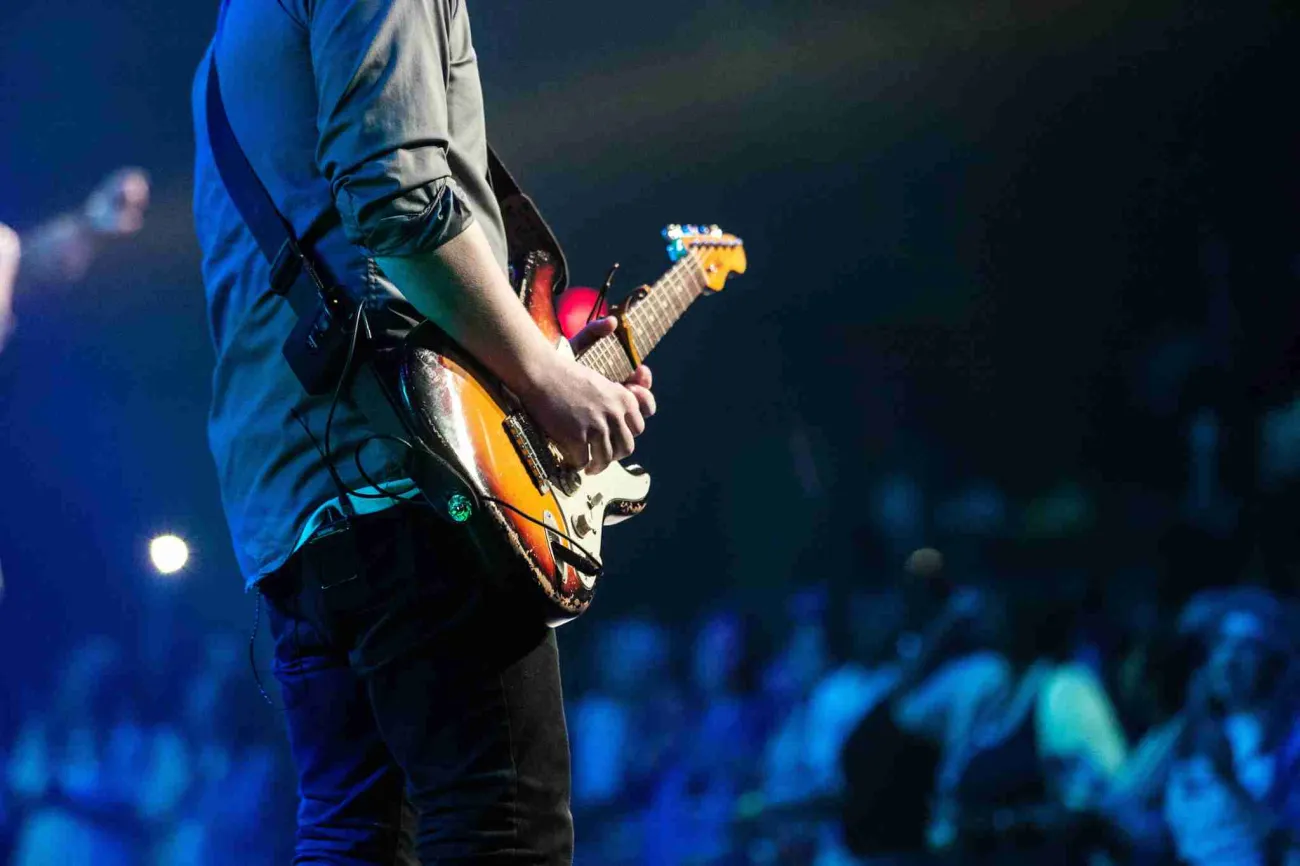
Which Legal Status Is Best Suited to a Performing Arts Show?
In France, professional performing arts activity is governed by social and tax law, and anyone wishing to make performing arts their main activity must obtain a license or a receipt as a performance entrepreneur. The legal form you choose depends on your situation: are you acting in a personal capacity, are you partnered with other people, and to what end? Here are the options available to you:
- Sole proprietor: This is an individual carrying on an independent professional activity. The most common forms are the sole proprietorship (EI) and the sole proprietorship with limited liability (EIRL).
- Company: This is a legal entity, distinct from its partners or shareholders. The most common forms are the limited liability company (SARL), the simplified joint-stock company (SAS) and the public limited company (SA).
- Association: This is a contract by which several people decide to pool their knowledge or activities on a permanent basis in order to carry out an activity that does not generate distributed profits.
The government platform PLATESV will tell you all the steps needed to obtain your license.
Who can be a performing arts entrepreneur?
In France, the term "performing arts entrepreneur" refers to any natural person or legal entity who engages in the production, distribution or programming of live performances. According to the Code du spectacle, the following can be considered performing arts entrepreneurs:
Natural persons:
- Performers: artists who perform or represent an artistic work, that is, actors, musicians, dancers, singers, etc., can be considered performing arts entrepreneurs if they also produce or present their own shows.
- Producers: people who take the initiative and assume responsibility for producing a performing arts show, managing the financial, artistic and logistical aspects.
- Presenters: people who organize and present performances in venues they operate or for which they have obtained the right to present.
Legal entities:
- Production companies: companies, generally SARLs, SASs, or associations, created specifically to produce and manage live performances.
- Theaters, concert halls, and other performance venues: entities that own or manage venues dedicated to live performances, such as theaters, concert halls, cultural centers, etc.
- Public or private bodies: institutions or organizations, such as municipalities, festivals, foundations, or associations, that produce, co-produce, or support the production of live performances.
Performing arts entrepreneurs have specific responsibilities under French law, notably regarding safety, working conditions, artists' rights, and compliance with tax and social regulations. They must also register with the competent authorities, including the Regional Directorate of Cultural Affairs (DRAC), and comply with the obligations tied to the status of performing arts entrepreneur.
How do you produce a performing arts show?
Want to see a performing arts initiative through? The concept and the team are the two foundations that let you imagine and produce a show.
The foundations of your show are in principle ready, and they are what give you the idea and create momentum within the team. You should therefore have in hand: the concept (the idea and the audience), the team, which you need to list precisely (depending on your show’s needs: director, choreographer, music director, set and costume designers, technicians, etc.). And of course, the texts and/or scores.
The more technical stages of project development follow:
- Create a production plan: schedule, budget, resources needed, venues, technical needs and each team member’s responsibilities. This plan will help you stay organized and manage the production effectively. Just like business plans for companies, it contains all the phase-by-phase details of your project.
- Set a budget by listing the costs associated with production: artist and crew fees, venue and/or equipment rental, sets, costumes, lighting, sound, promotion and all other expenses (catering). - Identify funding sources: grants, sponsorship, ticket sales or your own funds.
- Find suitable venues (location and seating capacity) and plan rehearsals with a realistic schedule.
Then, managing production and performances:
- Manage production: keep precise track of every aspect of production, making sure the schedule and budget are respected. Communicate regularly with the team. Make sure sets, costumes, lighting, sound, and every other technical element are well coordinated.
- Promote the show through a communications and marketing strategy aimed at the target audience (social media, websites, posters, partnerships, etc.).
- Run performances by coordinating, in real time, the technical aspects, audience reception, ticketing, and every other logistical detail.
After the performances, you can assess the success of your show to identify the positives and what to improve for future performances, and gather audience feedback.
What Are the Mandatory Administrative Procedures and Formalities?
Organizing performing arts events involves many standards and regulations. Here is a list of everything that must be in order and that, in principle, requires the involvement of production professionals:
- Prior notification to the Regional Directorate of Cultural Affairs (DRAC) at least two months before the planned date of the performance.
- Authorizations and licenses: licenses from SACEM (Society of Authors, Composers and Music Publishers), SACD (Society of Dramatic Authors and Composers), or SDRM (Society for the Administration of the Mechanical Reproduction Right of Authors, Composers and Publishers).
- Registration with URSSAF.
- Compliance with safety standards and regulations for performance venues: fire safety, emergency exits, emergency lighting, safety signage, etc. If you occupy land or a public space, you must request authorizations from municipal services by submitting a technical file.
- Civil liability insurance.
- Ticketing and taxes: compliance with tax regulations, collection and payment of VAT on ticket sales, keeping precise records of ticketing revenue.
- Artists' rights: fees, contracts, working conditions, copyright (where applicable), and social rights.
- End-of-show declaration: after the show, you must submit a final report to the DRAC within two months of the last performance. This report must state the number of performances, the audience, revenue, and expenses.
What Training Do You Need to Become a Performing Arts Administrator?
Organizing and managing every aspect of performing arts production are demanding activities that require multiple skills, a strong capacity for collaborative work, and a great deal of sector-specific knowledge, especially regarding regulation and financing. Training in performing arts administration, production, and organization takes place in specialized art and culture schools, the most renowned of which is IESA.
The programs are organized in two cycles:
- The first cycle - bac+3: Bachelor. It lays the main foundations on which professional skills and techniques are built.
- The second cycle - bac+5: Master.
It deepens professional and operational aspects by raising the level of project management skills: funding, collaborations, communication and marketing, public relations.
Performing arts administration program, Bac+5, work-study
Work-study is the best way to learn and enter the performing arts world, as it allows students to split their time between an assignment in performance production and organization with a host organization, and teaching at a higher education school. In addition, IESA’s Master in performing arts production and distribution provides the knowledge needed to learn how to organize and produce a live performance, perfectly complementing this professional experience. Work-study students also receive a salary and have their tuition fees covered.